
Refuse-Derived Fuel (RDF)
- Home
- Our Product
- Refuse-Derived Fuel (RDF)
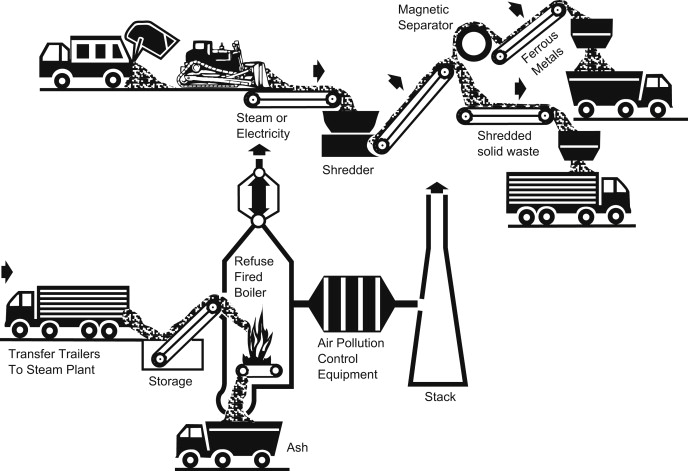
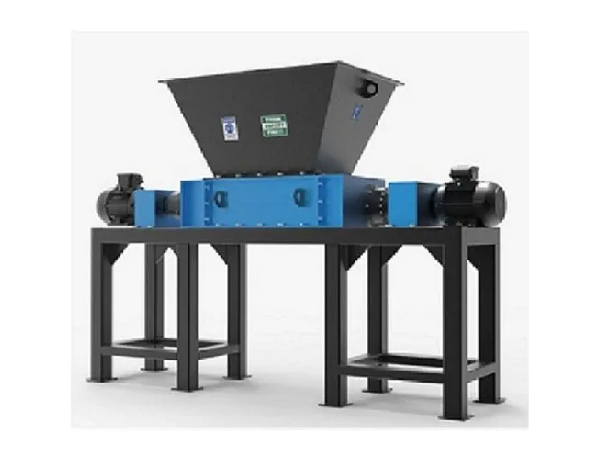
A Refuse-Derived Fuel (RDF) shredder is a machine used in the waste-to-energy industry to process and prepare waste materials for conversion into RDF. RDF is a type of fuel produced from non-recyclable and non-compostable waste materials, such as plastics, paper, cardboard, and other combustible materials. These materials are shredded into smaller pieces, often with the help of RDF shredders, to create a fuel source that can be used in various industrial processes, including cement kilns and power plants, to generate energy.
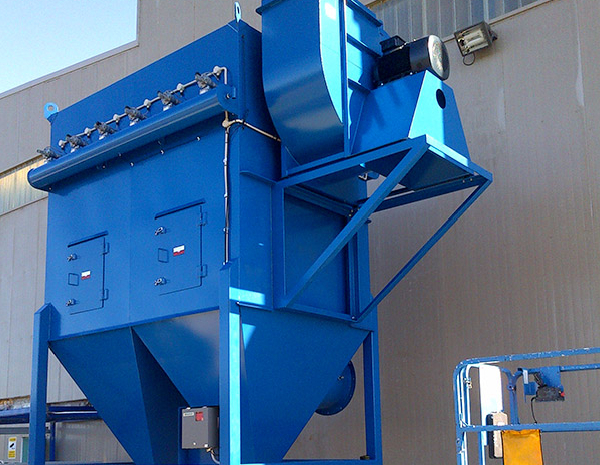
A dust collection system works by sucking air in from a given application and processing it through a filtering system so that particulate...
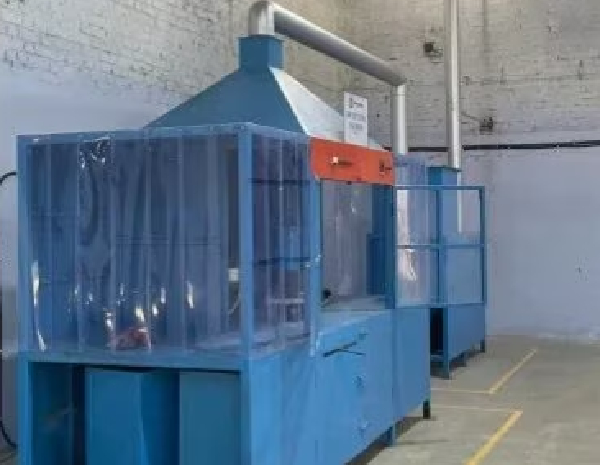
The CRT Cutting machine separates the glass at panel and glass at rear part called funnel, sucks and collects the phosphorus powder...
Backed by profound experience of our experts, we are an unparalleled name engaged in providing high quality assortment of...
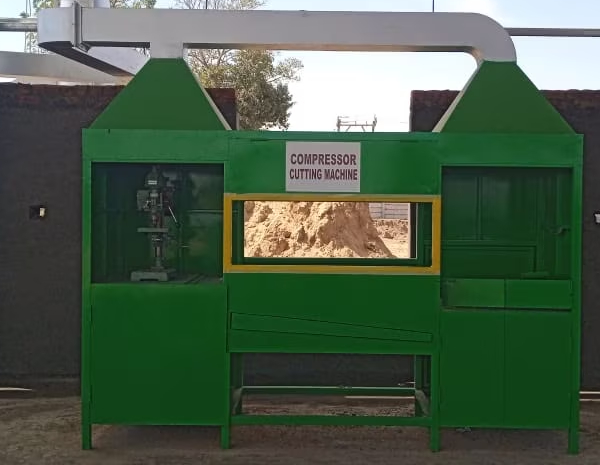
Compressor(Motor) Recycling
1.Bracket and Pipe Cutter
2.Pneumatic Shell
Cutter
3. Motor core copper wire cutter