
CRT Dust Collector
- Home
- Our Product
- CRT Dust Collector
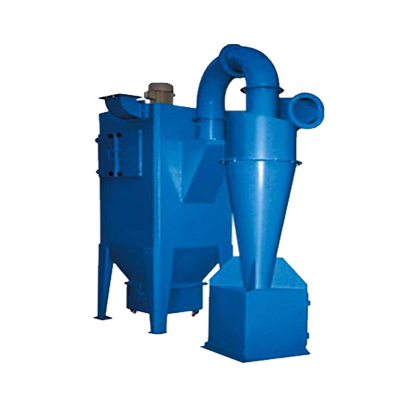
A CRT dust collector, or Cathode Ray Tube dust collector, is a specialized piece of equipment used to safely collect and manage dust and debris generated during the recycling or disposal of Cathode Ray Tube (CRT) monitors and televisions. CRTs are the older, bulky, and heavier types of displays that were commonly used in televisions and computer monitors before the advent of flat-panel LCD and LED screens.
CRTs contain hazardous materials, including lead, which can be harmful to the environment and human health if not handled properly. When CRTs are crushed or disassembled during recycling or disposal processes, they can release dust and particles that may contain these hazardous materials. To mitigate the risks associated with CRT recycling, CRT dust collectors are used.
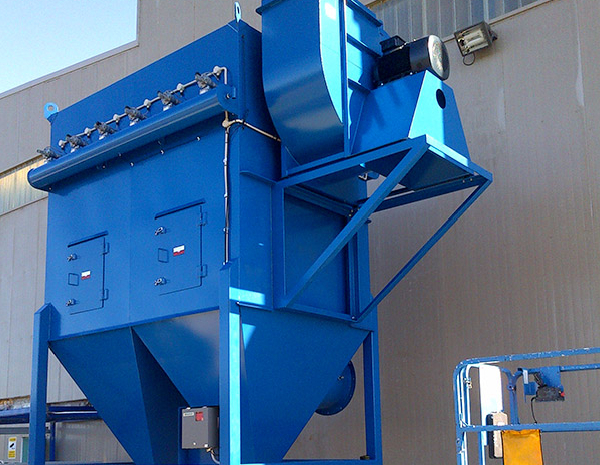
A dust collection system works by sucking air in from a given application and processing it through a filtering system so that particulate...
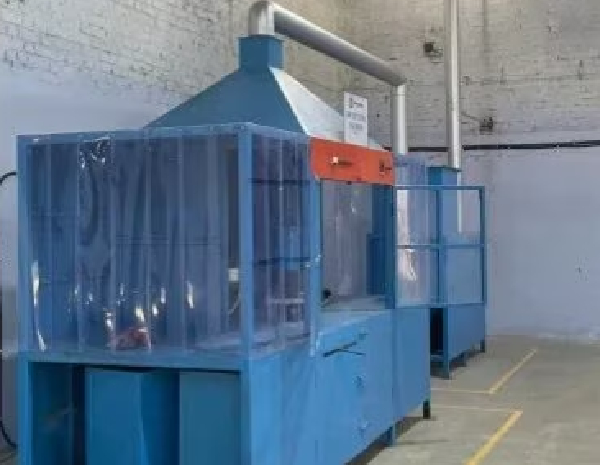
The CRT Cutting machine separates the glass at panel and glass at rear part called funnel, sucks and collects the phosphorus powder...
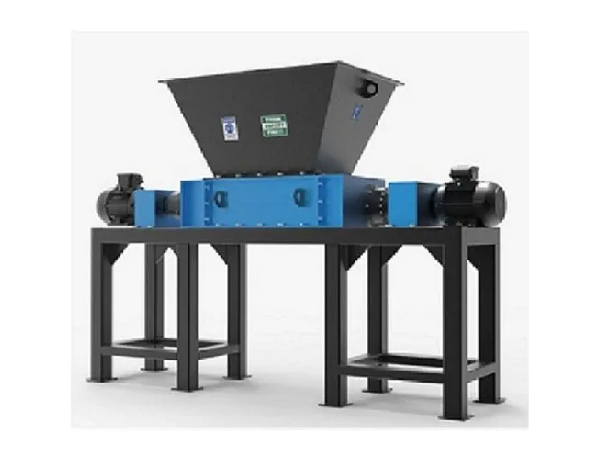
Backed by profound experience of our experts, we are an unparalleled name engaged in providing high quality assortment of...
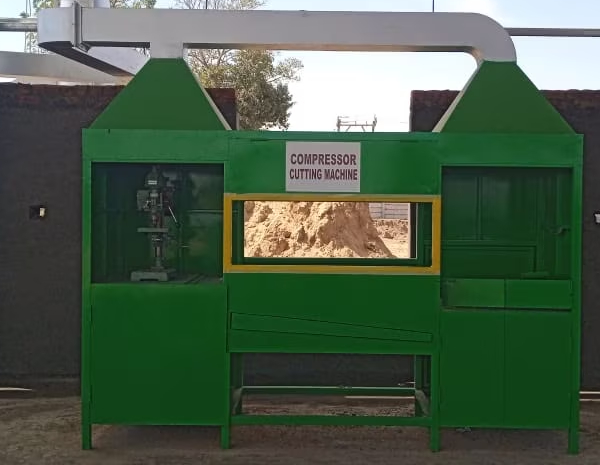
Compressor(Motor) Recycling
1.Bracket and Pipe Cutter
2.Pneumatic Shell Cutter
3. Motor core
copper wire cutter