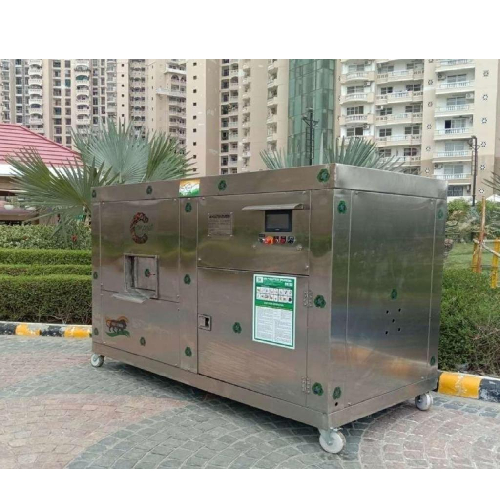
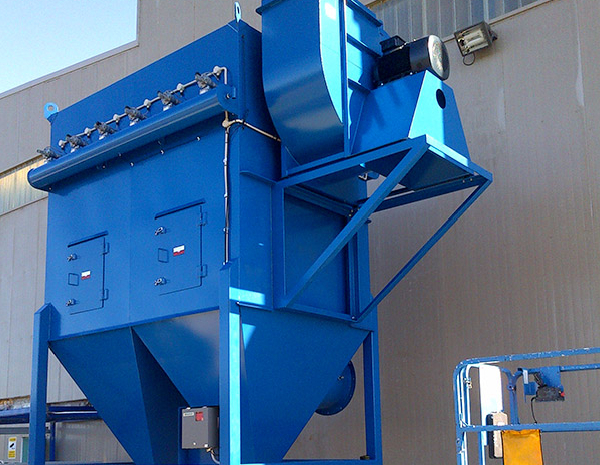
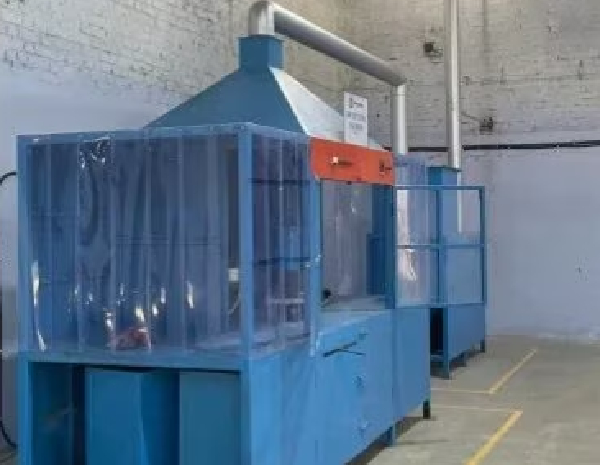
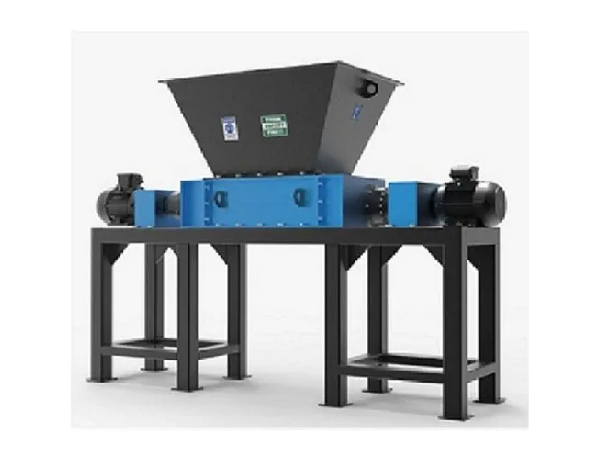
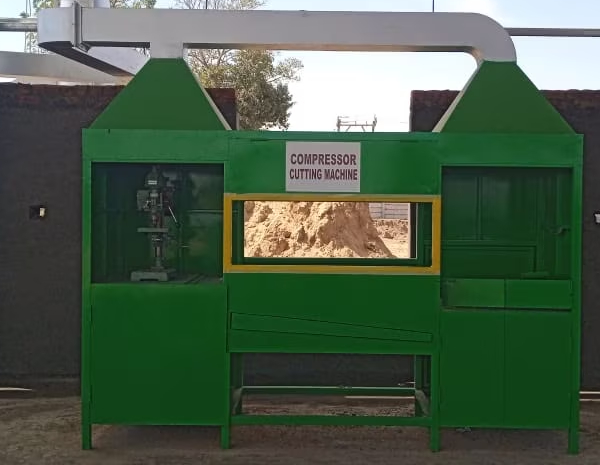
Here are some key features and benefits of automatic composting machines:
- Efficiency: These machines use various technologies, including heat,
mechanical mixing, and aeration, to speed up the composting process. Some models can produce
compost in as little as a few weeks, compared to months in traditional composting methods.
- Odor Control: Automatic composters often come with odor control mechanisms,
such as sealed containers and carbon filters, to prevent unpleasant smells from escaping.
- Space-Saving: They are typically compact and can be used in small spaces,
making them suitable for urban environments or homes with limited outdoor space.
- Low Maintenance: While regular composting requires turning and monitoring
the compost pile, automatic composters usually require minimal maintenance. Some models have
automated stirring mechanisms.
- User-Friendly:These machines are designed to be user-friendly, with simple
controls and easy setup. Many have sensors and indicators to monitor the composting process.
- Reduced Pest Attraction: The sealed design of automatic composters can
deter pests like rodents and flies, reducing the risk of infestations.
- Energy-Efficient: Some automatic composters use minimal energy and are
designed to be eco-friendly.
- Continuous Composting: Some models are designed for continuous composting,
meaning you can add organic waste continuously without waiting for one batch to finish.
- High-Quality Compost: These machines create consistent and high-quality
compost that can be used in gardening, landscaping, and agriculture.
While automatic composting machines offer many advantages, they also have some limitations:
- Cost: They can be more expensive than traditional composting methods, both
in terms of the initial purchase price and potential maintenance costs.
- Limited Capacity: Some automatic composters have a limited capacity, so
they may not be suitable for large households or extensive garden use.
- Energy Use: Some models require electricity to operate, which can
contribute to energy consumption.
- Complexity: The technology used in automatic composters can be complex, and
users may need to follow specific guidelines and maintenance instructions.
- Not Suitable for All Waste: They may not handle all types of organic waste,
and certain items like meat, dairy, and oils are usually not recommended for composting in
these machines.
Before purchasing an automatic composter, consider your specific needs, the amount of organic
waste you generate, and the available space. Additionally, check if any local regulations or
guidelines apply to composting in your area.