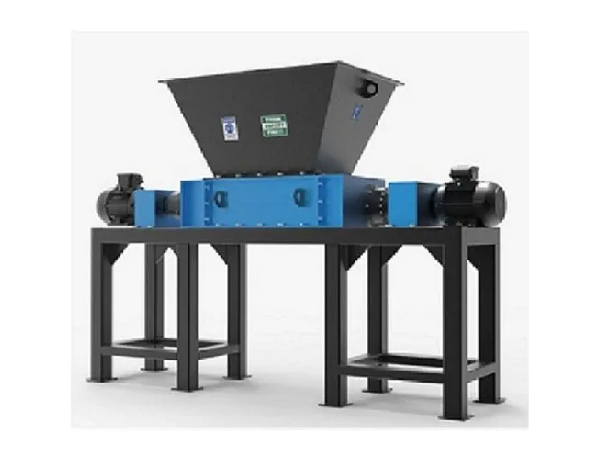
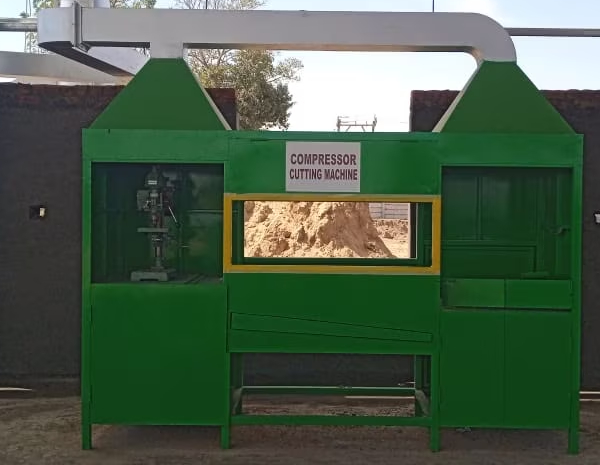
- Feeding: Used CFLs are fed into the machine either manually or automatically.
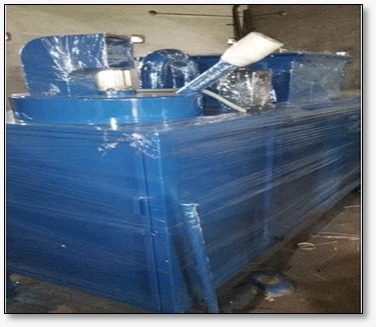
- Crushing Mechanism: The machine uses mechanical means like rotating blades or hammers to break the CFLs into smaller pieces.
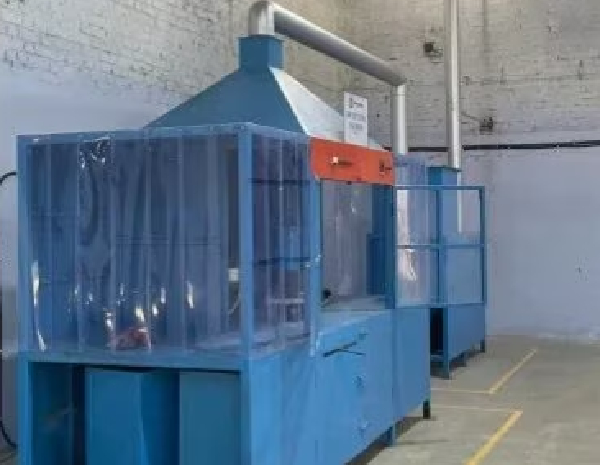
c. Container: The crushed CFL components, including glass, metal, and phosphor powder, are collected in a container or compartment within the machine.
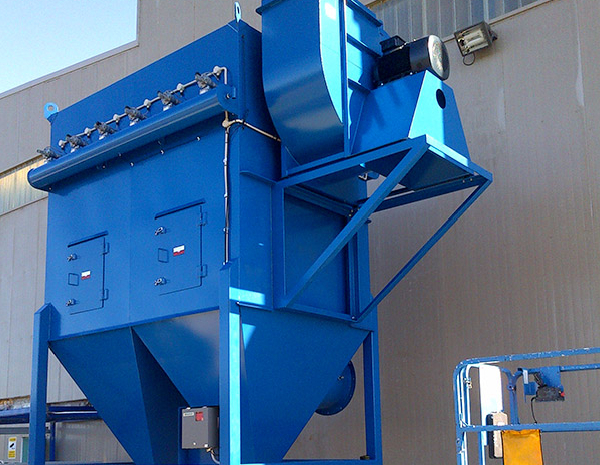
- Purpose :To prevent the release of harmful mercury vapor and fine phosphor powder during the crushing process, the machine is equipped with High-Efficiency Particulate Air (HEPA) filters.
- Function: HEPA filters are designed to capture and trap tiny particles, including hazardous materials like mercury and phosphor powder, ensuring they do not escape into the surrounding environment.
- Airflow: The machine maintains a controlled airflow, directing it through the HEPA filters, effectively containing any released contaminants.
-
Collection: Used CFLs are collected from various sources, such as households, businesses, or recycling centers, and brought to the treatment facility.
- Pre-Sorting: The collected CFLs are pre-sorted to separate them from other types of waste. This ensures that only CFLs are processed in the facility.
- Crushing and Separation: The CFLs undergo a crushing process to break them into smaller pieces. This allows for the separation of different components, such as glass, metal, and phosphor powder.
- Component Recovery: The crushed CFLs go through a series of mechanical and/or chemical processes to recover valuable components. For example, mercury is extracted and properly treated to minimize environmental impact, while glass and metal components are separated for recycling.
-
Disposal or Recycling: After component recovery, any remaining waste, such as non-recyclable materials, is disposed of in accordance with local regulations. The recovered materials, such as glass and metal, are sent for recycling, where they can be transformed into new products.
Overall, the CFL treatment facility process involves collecting used CFLs, pre-sorting them, crushing and separating the components, recovering valuable materials, and properly disposing of any remaining waste. This process helps ensure the safe and environmentally friendly management of CFLs, reducing their impact on the environment and promoting recycling practices.