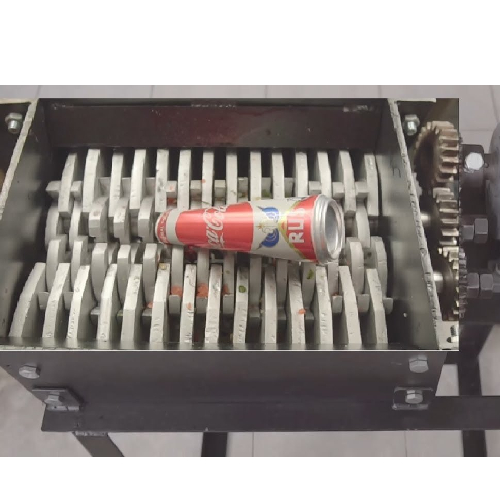
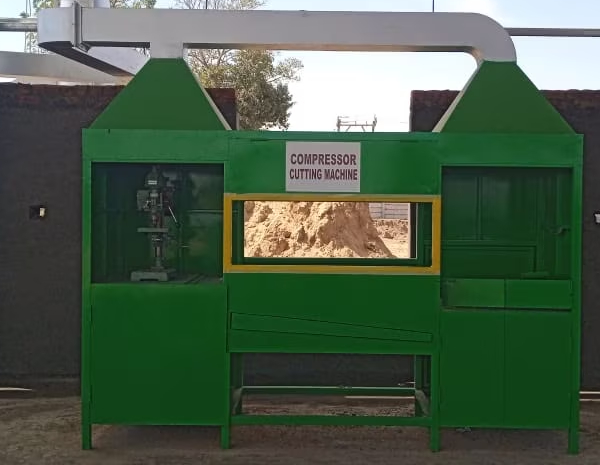
- Function: Plastic shredding machines use sharp blades or cutting mechanisms
to tear, shear, or chop plastic materials into smaller fragments. These fragments can vary
in size depending on the specific requirements.
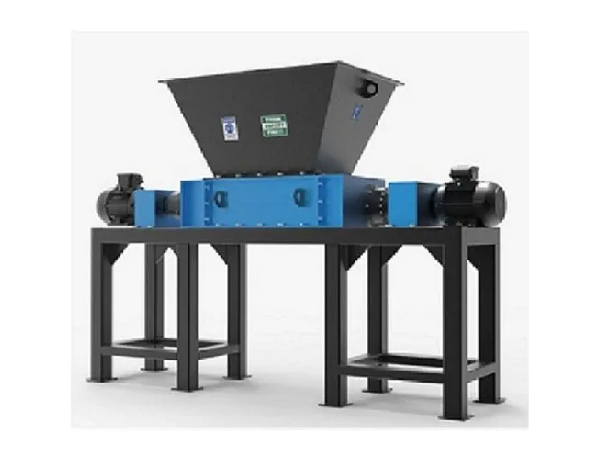
- Types: There are different types of plastic shredders designed for various
applications, such as single-shaft shredders, double-shaft shredders, and granulators. Each
type has its own advantages and is suitable for processing different types of plastic waste.
- Materials Processed: Plastic shredders can handle a wide range of plastic
materials, including plastic bottles, containers, pipes, sheets, films, and more. The type
of shredder and its configuration may vary depending on the specific plastic material being
processed.
- Applications:
- Recycling: Shredding plastic
waste is a crucial step in recycling, as it reduces the size of materials for
further processing, such as melting and extrusion.
- Waste Reduction: Shredding
plastic waste reduces its volume, making it easier and more cost-effective to
transport and dispose of.
- Manufacturing: Some industries
use plastic shredders to size-reduce plastic materials for use in manufacturing
processes.
- Size and Capacity: Plastic shredding machines come in various sizes and
capacities, from small units suitable for household or small-scale recycling to large
industrial machines capable of processing tons of plastic waste per hour.
- Safety Features: These machines often have safety features to protect
operators and prevent accidents. These may include safety guards, emergency stop buttons,
and sensors to detect foreign objects.
- Maintenance: Proper maintenance is essential to ensure the efficient and
safe operation of a plastic shredding machine. This includes regular blade sharpening or
replacement, cleaning, and lubrication.
- Environmental Impact:While plastic shredding machines contribute to
recycling efforts and waste reduction, it's important to note that the energy consumption
and emissions associated with their operation can have environmental impacts. Efficient
machines and responsible disposal of shredded plastic waste are crucial for minimizing these
impacts.
- Regulations: Depending on your location and the type of materials you are
processing, there may be regulations and safety standards that govern the use of plastic
shredding machines. Compliance with these regulations is essential.
Overall, plastic shredding machines play a vital role in the recycling and waste management
industries by helping to reduce the environmental impact of plastic waste and promote
sustainabilitys