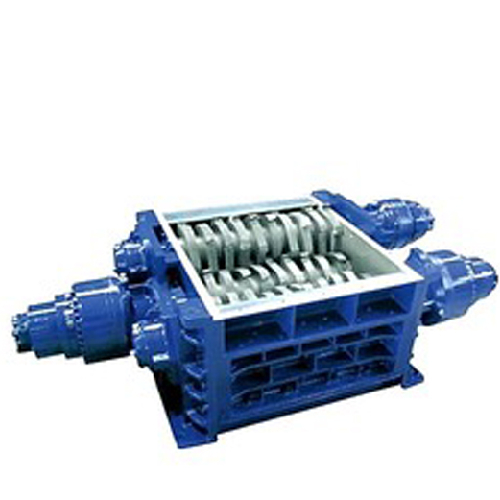
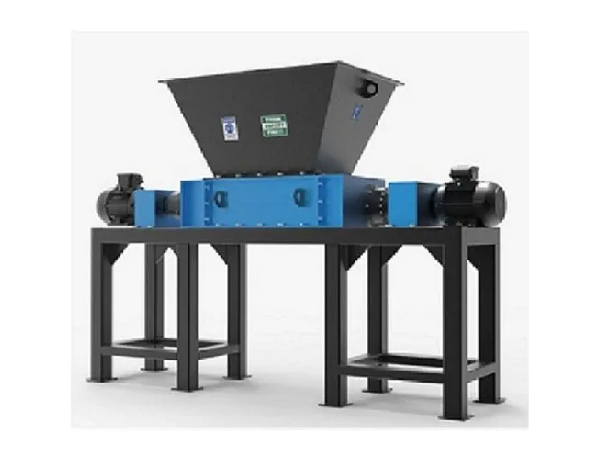
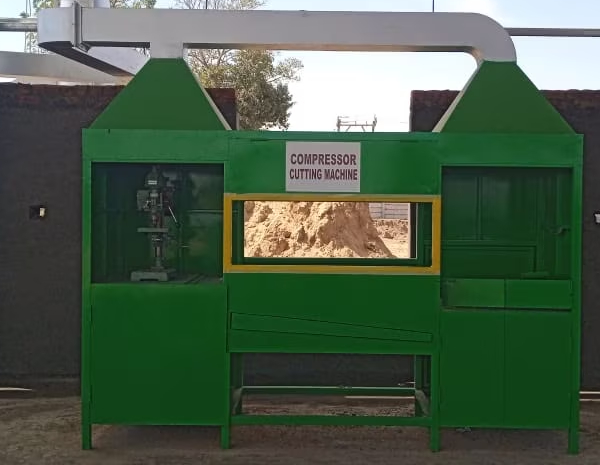
The primary purpose of a metal shredder is to break down bulk metal items into smaller
components, making it easier to transport, store, and recycle. Here's how a typical metal
shredder works:
- Volume Reduction: Shredding organic waste reduces its volume, making it
easier to handle, transport, and store.
- Accelerated Decomposition: Smaller particles decompose faster than larger
ones. Shredding organic waste accelerates the decomposition process, allowing for the
production of compost or biogas more quickly.
- Odor and Pest Control: Shredding can help control odors and discourage
pests
by increasing the surface area for microbial activity, which speeds up decomposition and
minimizes the time organic matter is exposed to air.
- Resource Recovery: Shredded organic waste can be used to produce valuable
resources such as compost, mulch, or biogas through anaerobic digestion.
- Environmental Benefits: Proper disposal and recycling of organic waste
through shredding can reduce landfill usage and methane emissions, which are harmful
greenhouse gases.
Organic waste shredders come in various sizes and types, depending on the intended use and the
volume of waste to be processed. Some common types of organic waste shredders include:
- Hammermill Shredders: These use rotating hammers to shred organic
materials. They are versatile and can handle a wide range of organic waste types.
- Grinders: Grinders use sharp blades or teeth to cut and shred organic
waste. They are often used in industrial settings.
- Chippers: Chippers are designed to process larger branches and woody
materials from trees and shrubs.
- Composting Machines: Some composting machines have built-in shredding
capabilities to process organic waste directly into compost.
- Mobile Shredders: These are often used in agriculture to shred crop
residues and organic waste directly in the field.
When choosing an organic waste shredder, it's essential to consider factors like the type and
volume of waste, power source (electric or diesel), portability, and maintenance requirements.
Proper maintenance is crucial to keep the shredder operating efficiently.
Organic waste management is an essential aspect of sustainability and environmental protection.
Shredding organic waste is one step in the process of turning these materials into valuable
resources or safely disposing of them without causing harm to the environment.